

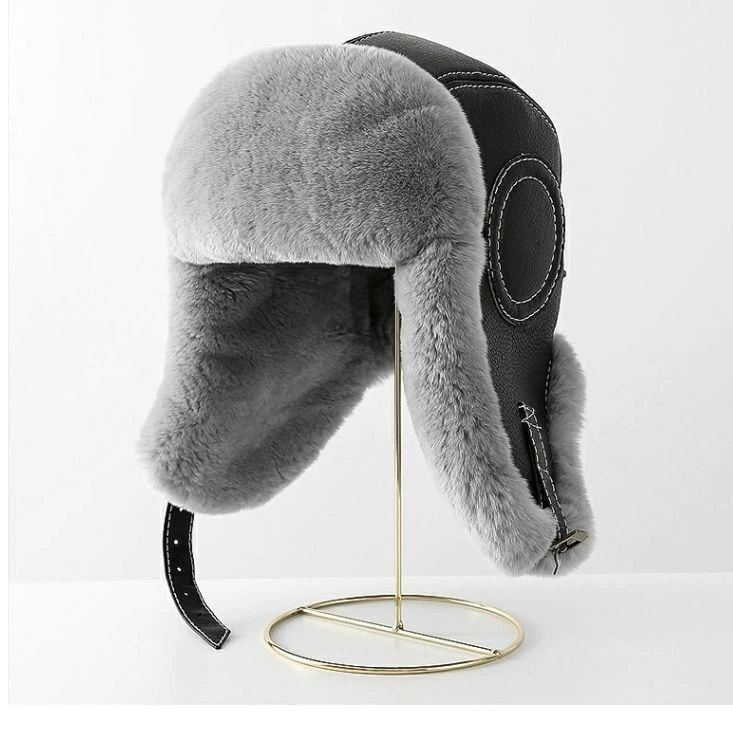
When you buy sheepskin products in bulk for your B2B business, poor quality can lead to lost customers, wasted money, and damaged partnerships. This checklist breaks down key steps to test sheepskin quality—so you can avoid risks and get consistent, high-value goods.
1. Why Quality Inspection Matters for B2B Sheepskin Bulk Orders
Bulk sheepskin orders often mean big investments. A single batch of low-quality products (like scratchy fur or fading colors) can force you to refund clients or discard inventory. Quality checks also help you verify if suppliers meet your standards—whether for luxury goods, medical accessories, or home decor. Skipping this step leaves you vulnerable to unexpected issues later.
2. Check the Raw Sheepskin Source First
Start with the basics: where the sheepskin comes from. Reliable suppliers will share details about their sourcing. Here’s what to confirm:
- Ask for proof of ethical animal welfare (e.g., certifications from global animal care groups). Unethical sourcing can harm your brand reputation.
- Verify the tanning process. Look for suppliers who use eco-friendly chemicals—harsh toxins can cause skin irritation and fail regional safety rules (like EU REACH standards).
- Request batch records. This lets you trace issues back to a specific production run if problems pop up later.
3. Physical Quality Checks You Can’t Skip
Physical tests reveal the most obvious (and costly) flaws. Test 5-10% of the batch randomly—this sample size gives a clear picture of overall quality:
- Texture and Softness: Run your hand over the fur. It should feel smooth, not prickly. Avoid batches with uneven fur length—this signals poor sorting.
- Thickness Consistency: Use a caliper to measure the leather layer (under the fur) at 3 points per piece. Differences of more than 0.5mm mean inconsistent quality, which ruins products like sheepskin rugs or boots.
- Color Fastness: Rub a damp white cloth on the fur. If color transfers, the dye will fade or stain other items. This is critical for colored sheepskin products (e.g., dyed chair covers).
- Odor Test: Fresh sheepskin has a mild, natural smell. Strong chemical or sour odors mean bad tanning or mold—these products won’t sell and can make customers sick.
4. Manufacturing Compliance for Bulk Orders
Even good raw materials fail if production is shoddy. Focus on these manufacturing checks:
- Stitching (for finished products): If you’re buying sewn items (like sheepskin gloves), check the stitches. Loose threads, uneven spacing, or broken stitches mean the product will fall apart quickly.
- Chemical Residue: Use a test kit to check for formaldehyde or heavy metals. Many countries (like the US and UK) ban high levels of these substances in consumer goods.
- Size Uniformity: Measure 10 pieces from the batch. For example, if you order 50x70cm sheepskin rugs, any piece smaller than 48x68cm is unacceptable—your clients will notice the difference.
5. Quantity and Packaging Verification
Bulk orders often have two hidden risks: missing items and damaged goods. Fix these with simple checks:
- Count Accuracy: Don’t just trust the supplier’s number. Count 10% of the boxes and multiply—if one box has 10 fewer items, the whole batch might be short.
- Packaging Durability: Drop a packaged box from waist height (simulate shipping). If the box breaks or the sheepskin inside gets crushed, ask the supplier to use thicker cardboard or bubble wrap.
- Labeling: Each box should have clear labels (product name, batch number, size). This helps you sort inventory fast and trace issues later.
6. Post-Inspection Steps
Once you finish testing, take these steps to protect your business:
- Document Everything: Write down test results, photos of flaws, and sample numbers. Share this with your supplier—if they need to fix issues, you have proof.
- Keep a Sample: Save one piece from the batch. If a client complains later, you can compare their product to your sample to confirm if it’s a quality issue.
- Communicate Clearly: If you find problems, tell the supplier immediately. Ask for a discount, replacement, or rework—don’t wait until the goods ship to resolve issues.
Final Tip for B2B Buyers
Quality inspection isn’t just a one-time step—it builds trust with your supplier. Over time, consistent checks encourage them to meet your standards without extra effort. Use this checklist every time you order bulk sheepskin products, and you’ll reduce risks while growing your business.