
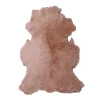
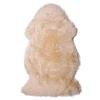
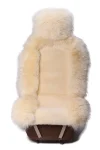
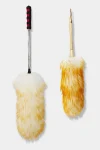
For B2B buyers—whether you supply to furniture makers, fashion brands, or baby product companies—high-quality sheepskin directly impacts your product value and customer trust. But with so many options on the market, how do you spot the best ones? Below are 5 easy-to-follow inspection standards to streamline your buying process.
1. Check the Leather’s Natural Texture and Grain
Genuine high-quality sheepskin has a unique, natural texture. Run your fingers across the leather surface: it should feel soft but firm, not overly thin or flimsy. Look closely at the grain (the small patterns on the leather). Authentic sheepskin has a consistent yet slightly uneven grain—this irregularity is a sign of real animal hide.
Avoid pieces with overly smooth or uniform surfaces. These often mean the leather is synthetic, heavily processed, or made from low-grade sheepskin. If you see obvious patches or repairs, ask the supplier for details—these can weaken the leather’s durability over time.
2. Assess Hair Density and Root Attachment
Hair quality is a critical marker for sheepskin, especially for products like rugs or coats. To check density, hold the sheepskin up to light. High-quality options will have thick, even hair coverage—no sparse spots or gaps.
Next, test root attachment. Gently pull a few hairs (with the supplier’s permission). Good sheepskin will have strong roots; hairs should not fall out easily. If hairs come loose with minimal force, the sheepskin is likely low-quality and will shed heavily once used—this creates headaches for your clients later.
3. Test Flexibility and Durability
Sheepskin needs flexibility to fit different end uses, from sofa cushions to clothing linings. Fold a small section of the leather (about 2 inches) and hold it for 10 seconds. When you unfold it, high-quality sheepskin will bounce back quickly, with no permanent creases.
You can also do a light stretch test. Pull the leather gently from two ends. It should give slightly and return to its original shape. If it cracks, feels stiff, or stays stretched, it means the leather is dried out or processed with harsh chemicals—avoid these, as they won’t stand up to regular use.
4. Inspect for Odors and Chemical Residues
High-quality sheepskin has a mild, natural leather scent. If you smell strong chemicals (like ammonia or bleach) or a sour odor, this is a red flag. These smells mean the supplier used excessive chemicals to treat the leather—chemical residues can irritate skin (a big issue for baby products or clothing) and fade over time, ruining the sheepskin’s appearance.
For extra safety, ask suppliers for test reports on chemical levels. Many B2B buyers prioritize non-toxic options, so this step also helps you meet your clients’ sustainability or safety requirements.
5. Verify Origin and Certification
Where the sheepskin comes from matters. Regions like New Zealand and Australia are known for high-quality sheepskin because their sheep are raised in mild climates, producing thicker, softer hides. Ask suppliers for clear origin information—avoid vague answers like “international source.”
Certifications add another layer of trust. Look for labels like “Responsible Wool Standard (RWS)” or “Global Organic Textile Standard (GOTS).” These certifications confirm the sheepskin is sourced ethically (no animal cruelty) and processed with eco-friendly methods. For B2B buyers, certified sheepskin also makes your products more marketable to eco-conscious clients.
Final Tips for B2B Buyers
Always request samples before placing large orders. Testing a small piece lets you apply all 5 standards hands-on, instead of relying on photos. Also, build relationships with suppliers who share transparent information—this saves you time and reduces the risk of low-quality shipments.
By following these standards, you can consistently choose high-quality sheepskin that boosts your product’s value and keeps your clients satisfied.