
The choice between foam and wool polishing pads is a classic debate in detailing and surface correction. Wool pads offer several distinct advantages over foam pads, but they also have their place. Here’s a breakdown of the key benefits of wool pads:
Primary Benefits of Wool polishing Pads Over Foam polishing Pads:
1. Superior Cutting Ability & Faster Correction:
- Wool: This is the biggest advantage. Wool fibers are more aggressive and can remove heavier defects (deep scratches, severe oxidation, sanding marks) much faster than foam. They have greater “bite” into the paint.
- Foam: Even aggressive foam cutting pads are generally less effective at removing significant defects quickly. They require more passes and time.
2. Better Heat Dissipation:
- Wool: The open, fibrous structure allows for excellent airflow and heat dispersion. This helps prevent the paint from overheating (“burning”) during prolonged or aggressive compounding.
- Foam: Tends to trap heat against the paint surface more easily, especially closed-cell foams. This requires the user to work in smaller sections and be more cautious.
3. Excellent Durability & Longevity:
- Wool: A high-quality wool pad is extremely durable and can last through many polishing sessions. It can be cleaned and reused extensively.
- Foam: Foam pads break down faster, especially when used with heavy compounds. They can tear, collapse, or become clogged (saturated with product) more quickly, requiring frequent replacement.
4. Superior Performance on Hard Paints:
- Wool: Essential for effectively correcting modern hard ceramic clear coats (common on many German, Japanese, and luxury vehicles). The aggressive fibers are necessary to abrade the hard surface.
- Foam: Can struggle on hard paints, often resulting in extended work times and frustration with minimal results.
5. Less “Loading” or Clogging:
- Wool: The open weave allows spent compound and paint residue to be ejected from the pad more easily. This keeps the pad working effectively for longer and reduces the need for constant cleaning during a job.
- Foam: Can become saturated with product, causing it to lose cutting efficiency and potentially introduce marring as it works with dried residue.
6. Effective on Curved and Complex Contours:
- Wool: The flexible fibers conform well to curves and body lines, maintaining consistent contact and cutting power.
- Foam: Can sometimes “bridge” over sharp curves, reducing effectiveness on edges and complex panels.
When to Choose Foam Pads (The Counterpoint):
Wool isn’t always the best choice. Foam pads excel in these areas:
- Finishing & Refining: Foam pads, especially soft ones (black, blue, red), provide a much finer, more controlled finish. They are used after wool compounding to remove any hazing or micro-marring (the “finish” step).
- Softer Paints: On older single-stage paints or softer clear coats, wool can be too aggressive and may cause holograms or buffer trails that are difficult to remove. Foam offers more control.
- Beginner-Friendliness: Foam pads are generally more forgiving and easier to control, making them a better starting point for novices.
- Applying Sealants/Waxes: Soft foam pads are ideal for the gentle, even application of non-abrasive LSPs (Last Step Products).
Quick Comparison Table
| Feature | Wool Pads | Foam Pads (Cutting) |
|---|---|---|
| Primary Use | Heavy cutting, compounding, defect removal | Moderate cutting, polishing, finishing |
| Speed | Faster correction | Slower correction |
| Finish Quality | Can leave haze; often requires a follow-up | Can produce a ready-to-wax finish |
| Heat Management | Excellent | Good to Poor (traps heat) |
| Durability | Very High | Moderate (wears out faster) |
| Best For | Hard paints, severe defects, experienced users | Softer paints, polishing, finishing, beginners |
Summary:
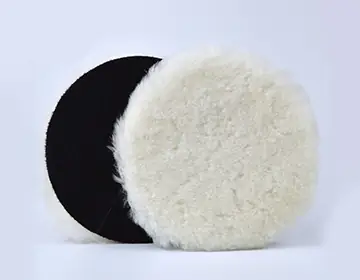
wool polishing pads
You need maximum cutting power to tackle severe scratches, heavy oxidation, or hard clear coats. They are the go-to tool for efficiency and power in the initial correction stage.
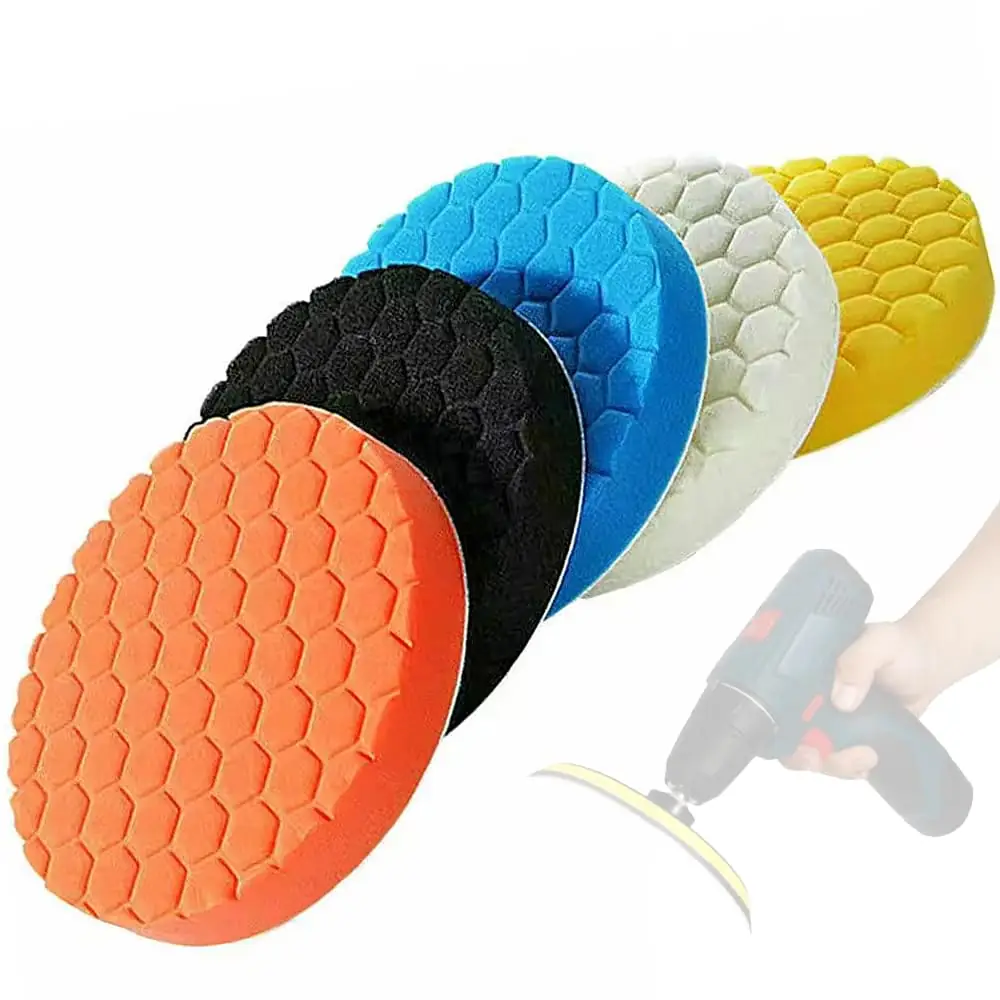
foam polishing pads
You are working on softer paint, performing the final polishing/finishing step, applying waxes, or are less experienced and need more control.
Professional Detailer’s Workflow: Often uses a wool pad with a compound for the initial cut, then follows with a foam polishing pad with a finer polish to perfect the finish. This combines the strengths of both.