
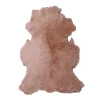



Sourcing semi-finished sheepskin can be challenging, especially for buyers who are working with new suppliers or placing custom orders for the first time. Many quality issues, delays, and cost disputes are not caused by the material itself, but by misunderstandings during the sourcing process.
Mistake 1: Choosing Semi-Finished Sheepskin Based on Price Alone
One of the most common mistakes is selecting a supplier based purely on the lowest price. Semi-finished sheepskin prices vary due to raw hide origin, wool quality, tanning method, thickness, and yield rate.
A lower price often means compromises in raw materials, processing control, or consistency between batches. Buyers who focus only on price frequently encounter quality instability during mass production.
Mistake 2: Not Clearly Defining the Final Application
Semi-finished sheepskin is used across many industries, including garments, footwear, gloves, automotive interiors, and furniture. semi-finished sheepskin customization for different applications. Each application requires different specifications.
Failing to clearly explain the final application often leads to incorrect thickness, unsuitable wool length, or improper tanning. Before placing an order, buyers should always clarify how the material will be used in production.
Mistake 3: Ignoring Key Technical Specifications
Some buyers approve samples without fully understanding critical semi-finished sheepskin specifications such as Leather thickness, wool density, backing finish, or tanning compliance.
These parameters directly affect sewing performance, durability, and comfort. Even small differences in specifications can lead to significant issues during cutting or assembly.
Buyers should confirm all technical details in writing before moving forward with bulk production.
Mistake 4: Misunderstanding MOQ and Yield
Minimum order quantity (MOQ) is often misunderstood. For semi-finished sheepskin, MOQ usually refers to the number of raw hides processed, not the final usable pieces.
In addition, natural variation means that yield rates can differ between batches. Buyers who do not factor yield into their planning may face shortages or cost overruns.
Understanding MOQ and yield early helps avoid unrealistic expectations.
Mistake 5: Approving Samples That Do Not Represent Bulk Production
Sample approval is critical, but problems arise when samples are produced under different conditions than bulk orders. Hand-selected samples or non-representative hides can create unrealistic expectations.
Buyers should always confirm that samples are produced using the same raw materials, tanning process, and specifications as bulk production.
Mistake 6: Overlooking Compliance and Market Requirements
Different markets have different compliance standards. Eco-friendly tanning, chemical restrictions, and testing requirements are increasingly important for the EU, North America, and Japan.
Failing to confirm compliance requirements early may result in delays, reprocessing, or rejected shipments.
Mistake 7: Lack of Communication During Production
Semi-finished sheepskin customization is a technical process that benefits from clear and consistent communication. Buyers who do not stay engaged during production may miss important clarification points or adjustment opportunities.
Regular updates help ensure expectations remain aligned throughout the process.
How to Avoid These Sourcing Mistakes
To reduce sourcing risks, buyers should:
- Clearly define the final application
- Confirm all technical specifications
- Understand MOQ and yield
- Ensure sample representativeness
- Verify compliance requirements
- Work with experienced manufacturers
For buyers seeking flexibility, working with a manufacturer that specializes in custom semi-finished sheepskin can significantly reduce sourcing issues.
Final Thoughts
Sourcing semi-finished sheepskin does not need to be complicated, but it does require clarity, technical understanding, and the right supplier.
By avoiding the mistakes outlined above, buyers can achieve more stable quality, better cost control, and smoother production outcomes.