

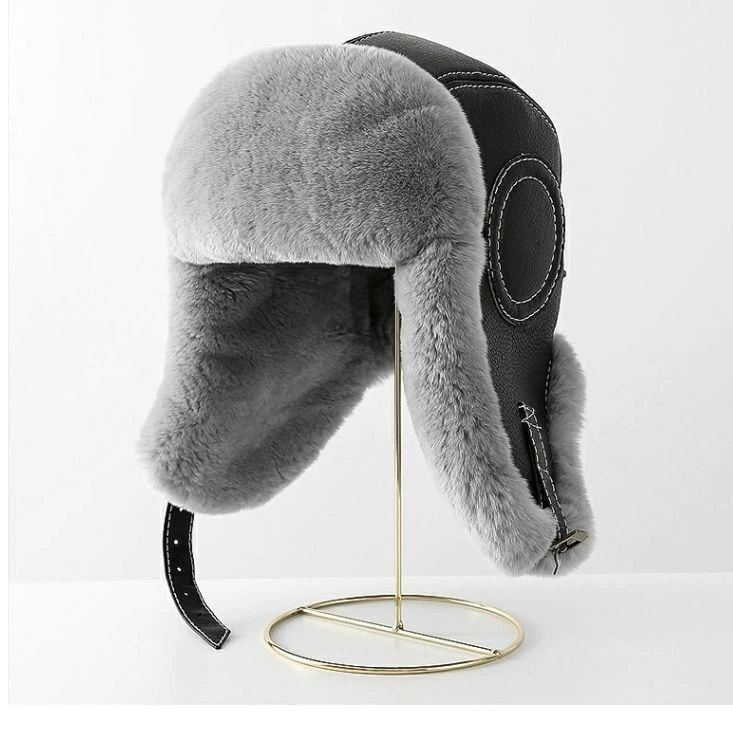
For B2B buyers, branding goes beyond logos or websites. It lives in every detail of the products you offer to your clients. Custom sheepskin labels and packaging stand out as a unique tool here—they bring texture, authenticity, and memorability that plastic or paper options can’t match. In a market where B2B clients (like retailers or manufacturers) fight for end-user attention, these natural touches help your brand—and theirs—shine. Let’s break down what you need to know to use them effectively.
1. Why Custom Sheepskin Matters for B2B Branding
B2B success hinges on building long-term trust with your clients. Custom sheepskin labels and packaging boost this trust in two key ways:
First, they signal quality. Sheepskin is a natural, durable material. When you add a custom sheepskin label to a product—whether it’s a leather bag, a high-end jacket, or luxury furniture—it tells end-users “this item is well-made.” Your B2B clients will appreciate this: it gives them a selling point to pitch to their own customers.
Second, they create emotional connection. People associate sheepskin with softness and comfort. This feeling sticks. A customer who touches a sheepskin label on a product is more likely to remember the brand behind it. For you as a B2B buyer, this means your clients will keep coming back—they’ll link your products to positive, memorable experiences.
2. Key Features B2B Buyers Should Prioritize
Not all custom sheepskin labels or packaging are equal. Focus on these four features to get the most value:
Material Quality
Look for thick, soft sheepskin that holds its shape. Avoid thin, flimsy options—they tear easily and make your brand look unprofessional. Ask suppliers if they use real sheepskin or high-grade 仿制品 (faux sheepskin). Real sheepskin offers better durability, but quality faux options work if sustainability or cost is a top concern.
Customization Flexibility
Your labels and packaging should match your brand. Choose suppliers that let you pick:
- Sizes: From small labels (1×2 inches) for clothing to larger patches for furniture.
- Colors: Dyes that align with your brand palette (e.g., earthy browns for eco-focused brands).
- Logos: Printing methods that keep your logo sharp (embroidery works well for sheepskin).
Compliance with Market Standards
If your B2B clients sell to regions like the EU or North America, check for safety certifications. For example, sheepskin used in baby products needs to be free of harmful chemicals. A good supplier will share these certifications upfront.
Cost-Effectiveness for Bulk Orders
B2B buyers often need 500+ units. Ask for volume discounts—many suppliers lower prices when you order 1,000+ labels. Also, consider long-term value: durable sheepskin means fewer replacements for your clients.
3. How to Integrate Sheepskin into Your Brand Strategy
Custom sheepskin works best when it fits your existing brand. Here are three easy ways to use it:
Align with Your Brand’s Values
If your brand focuses on sustainability, highlight the natural aspect of sheepskin. For example, a outdoor gear brand could add sheepskin labels with the text “Made from 100% renewable materials.” This reinforces your values to both your B2B clients and their customers.
Place Labels Where They’ll Be Noticed
Put labels in high-touch areas:
- Clothing: Inside collars or on sleeve cuffs.
- Bags: On the front strap or inside lining.
- Furniture: On the armrest or a hidden corner (so customers find it when they use the product).
Pair with Complementary Packaging
Sheepskin packaging (like small pouches for accessories) works well with paper or cardboard boxes. For example, a jewelry B2B supplier could wrap necklaces in sheepskin pouches, then put them in branded boxes. This layered approach feels premium and memorable.
4. Tips for Choosing the Right Supplier
The supplier makes or breaks your custom sheepskin project. Follow these tips to find a reliable partner:
Check Their B2B Experience
Look for suppliers that specialize in B2B orders. They’ll understand your needs: strict deadlines, consistent quality across bulk orders, and invoices that fit B2B accounting processes. Ask for case studies—did they work with other brands in your industry?
Request Samples First
Never order in bulk without testing a sample. A sample lets you:
- Feel the sheepskin’s texture.
- Check if the logo print matches your brand.
- Test durability (e.g., rub the label to see if it fades).
Most suppliers offer free or low-cost samples—take advantage of this.
Ask About Production Timelines
B2B clients often need products fast. Ask suppliers: “How long will it take to make 500 labels?” Look for answers like “2-3 weeks” (not “4-6 weeks”). Also, confirm if they offer rush orders for last-minute client requests.
Inquire About After-Sales Support
What if a batch of labels arrives damaged? A good supplier will replace them for free and speed up the new order. Avoid suppliers that don’t offer clear return or replacement policies.
5. Common Mistakes to Avoid
Even small missteps can hurt your branding. Steer clear of these errors:
Don’t Sacrifice Quality for Price
A $0.50 label might seem cheap, but if it peels off after a month, your B2B clients will be unhappy. Spend a little more on quality—your brand’s reputation is worth it.
Don’t Ignore Your Client’s Use Case
If your client sells washable products (like towels), choose washable sheepskin labels. A label that shrinks or fades in the wash will frustrate their customers—and your client. Always ask about how your client plans to use the product.
Don’t Skip Brand Consistency
If your website uses a bold font for your logo, don’t print your sheepskin labels in a curly, delicate font. Consistency builds recognition. Share your brand guidelines with the supplier to keep everything aligned.
Final Thoughts
Custom sheepskin labels and packaging are more than just “add-ons”—they’re a way to make your B2B brand unforgettable. They help your clients sell more, build trust with end-users, and set your products apart from competitors. By focusing on quality, alignment with your brand, and the right supplier, you’ll turn a simple detail into a powerful branding tool.
Start small: Order 100 samples to test with a few clients. Once you see how they react, scale up. Before long, custom sheepskin will become a key part of your B2B branding success.