

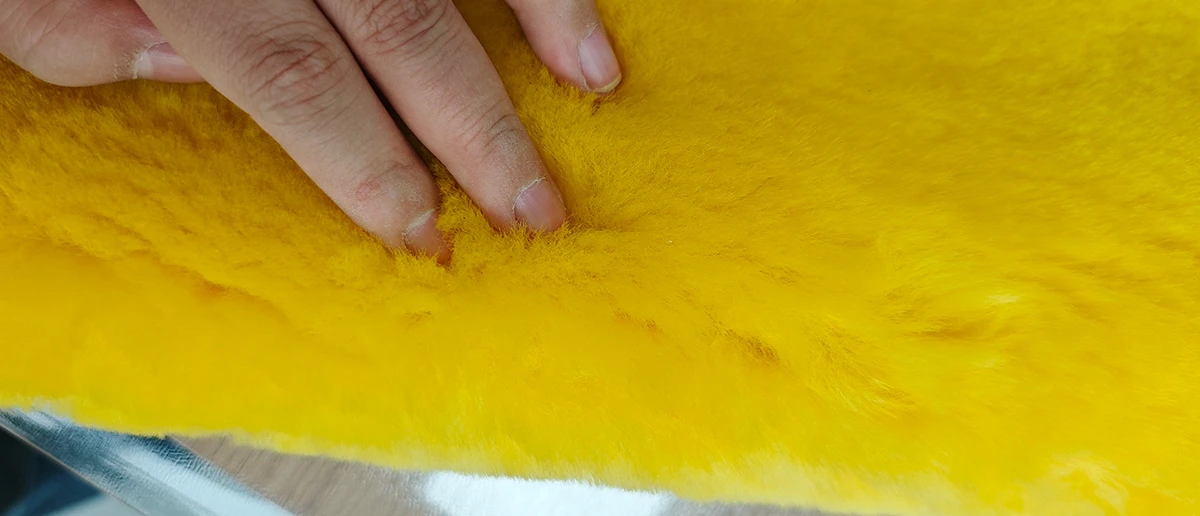
When sourcing sheepskin for products, whether it’s for footwear, garments, automotive upholstery, or home décor, the quality of the material can make a significant difference in both the performance and longevity of the finished product. Unfortunately, low-quality sheepskin is often sold at a lower price, but this can lead to long-term issues such as wear, discomfort, and even safety concerns.
Why Quality Sheepskin Matters in Manufacturing
Quality sheepskin is not just about aesthetics; it’s about performance. Whether you’re crafting a luxurious pair of shoes or a durable automotive seat cover, high-quality sheepskin ensures that your product performs as expected, both in terms of comfort and durability.
High-quality sheepskin provides the following benefits:
- Softness and Comfort: Premium sheepskin has a soft, velvety feel, which enhances the comfort of the end product.
- Durability: Good quality sheepskin lasts longer and stands up to wear and tear better than low-quality alternatives.
- Natural Insulation: The natural fibers of quality sheepskin offer superior insulation, keeping the product comfortable in both hot and cold climates.
In contrast, low-quality sheepskin can result in products that fade quickly, lose their softness, and even wear down prematurely, costing you more in the long run.
Key Factors to Look for in Quality Sheepskin
1. Appearance
- Uniformity: Quality sheepskin should have an even, smooth surface with no visible defects or discoloration.
- Color: The color should be consistent and not faded or blotchy.
- Natural Look: The wool should have a natural texture, not overly processed or altered.
2. Touch
- Softness: High-quality sheepskin feels soft and smooth to the touch. The wool should not feel stiff or coarse.
- Density: Premium sheepskin features dense, plush wool, which helps absorb moisture and provides cushioning.
3. Smell
- Natural Odor: Authentic, high-quality sheepskin has a mild, natural odor. If the sheepskin has a strong, chemical-like smell, it is likely due to the use of harsh chemicals during tanning.
4. Texture
- Wool Quality: The wool of high-quality sheepskin should feel springy and resilient. Lower-quality sheepskin may feel limp or thin.
- Smoothness: Check for any irregularities or rough patches on the surface, which can indicate low-quality sheepskin.
How Tanning Process Affects Sheepskin Quality
The tanning process plays a crucial role in determining the quality of sheepskin. High-quality sheepskin is typically tanned using eco-friendly, natural methods, which help preserve the wool’s softness and enhance its durability. On the other hand, low-quality sheepskin is often tanned using harsh chemicals, which can damage the fibers, making the sheepskin stiffer and less durable.
Eco-Friendly Tanning
Eco-friendly tanning processes use natural vegetable dyes or other sustainable methods, which help maintain the quality of the sheepskin without introducing harmful chemicals.
Chemical Tanning
While cheaper, chemical tanning methods can degrade the sheepskin’s quality, leaving it more prone to cracking, fading, and discomfort when used.
The Impact of Sourcing on Sheepskin Quality
Where the sheepskin is sourced from can also impact its quality. Premium sheepskin is usually sourced from countries known for their excellent livestock farming practices, such as New Zealand, Australia, and South Africa. These countries produce high-quality sheepskin that is soft, durable, and ideal for use in high-end products.
On the other hand, lower-quality sheepskin often comes from regions where animal husbandry practices are less stringent, and the sheepskin may be subjected to poor processing conditions.
Why Price Isn’t Always a True Indicator of Quality
It’s tempting to choose the cheaper option when purchasing sheepskin, but price does not always correlate with quality. While low-cost sheepskin may seem like a good deal, it often comes with compromises in terms of softness, durability, and comfort. Cheaper sheepskin may be made from inferior materials or undergo poor tanning processes, leading to faster wear and a reduced lifespan.
On the other hand, investing in high-quality sheepskin may cost more upfront, but it results in a better product that will last longer, perform better, and provide a higher return on investment in the long run. Quality sheepskin is a smart choice for any business looking to produce top-tier products.
Ready to source premium sheepskin for your next project?
Get in touch with us today to discuss your needs. Request a free quote or contact us for more details on our custom sheepskin solutions.
Recommended Articles
If you’re interested in learning more about sheepskin and its various applications, the following articles may be helpful:
📌 How to Customize Semi-Finished Sheepskin for Different Applications
Learn how to customize semi-finished sheepskin for various applications to make informed decisions in your procurement and manufacturing processes.
📌 Sheepskin Specifications Explained: Thickness, Wool Length & Tanning
A detailed guide on sheepskin specifications, including thickness, wool length, and tanning methods, to help you choose the best material for shoes, garments, and other applications.
📌 Common Mistakes Buyers Make When Sourcing Semi-Finished Sheepskin
Avoid common mistakes in the sourcing process and ensure you select the best sheepskin material for your needs.
📌 Why Semi-Finished Sheepskin Prices Vary So Much
Understand the factors that affect the pricing of semi-finished sheepskin, helping you make smarter budgeting decisions for your procurement.
By exploring these articles, you can gain a deeper understanding of sheepskin materials and the sourcing process, ensuring you’re well-prepared for your next purchase or product development. If you have any questions or need further assistance, feel free to reach out to us!