


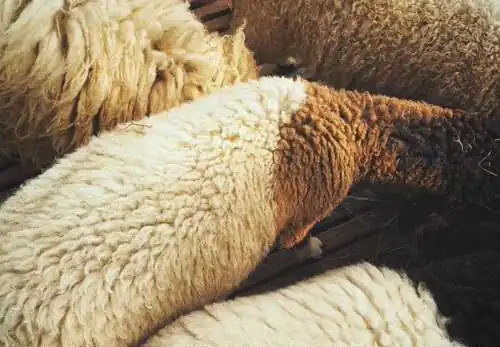
Many people love sheepskin Leather products. But few know how it’s made. This process turns raw wool into soft, durable material. It involves many steps. Each step is important. We will explain the full process. You will see why quality matters.At the end of winter, shepherds will shear the sheep’s wool. A piece of wool can weigh up to 8 kilograms. Most shepherds are skilled in this area, so the sheep will not be harmed. After shearing the wool, only a thin layer of wool remains on the sheep’s body, which can keep them warm during the winter
sheepskin leather integrated products have been loved by many people
Step 1: Raw Material Selection
It starts with the raw material. We use only high-quality sheepskin. The wool must be dense and uniform. The leather side should be thick and unblemished. We source from farms with ideal conditions. This ensures good genetics and animal welfare. Each skin is checked for thickness and wool length. Only the best skins move forward.
Step 2: Preserving and Soaking – Preventing Decay
Fresh sheepskin decays quickly. We must act fast. The skins are carefully salted. This draws out moisture. It stops bacterial growth. After salting, the skins soak in water baths. This rehydrates the skin. It also washes away dirt and excess salt. This step prepares the skin for further processing.
Step 3: Mechanical Cleaning – Preparing the Leather and Wool
The skin now needs deep cleaning. The back side has residual flesh and fat. We remove it using a specialized “fleshing machine.” For sheepskin leather products, we keep the valuable wool. But we clean the wool thoroughly yet gently. We use special equipment to ensure the wool is clean and undamaged. The goal is a clean, intact leather side and fluffy wool.
Step 4: The Core Step – Tanning the Leather
Tanning is the most crucial step. It turns perishable skin into durable leather. We primarily use modern chrome tanning. It makes the leather very soft and strong. The tanning agents bind permanently to the skin’s collagen fibers. This prevents decay. The tanned material becomes stable. Even if wet later, it won’t harden or shrink.
Step 5: Neutralizing and Dyeing – Adding Color and Style
After tanning, the leather is acidic. We neutralize it to achieve the perfect pH balance. Then, we can begin dyeing. We use high-quality dyes with deep penetration. The color becomes part of the leather, resisting fade. The wool can also be bleached and dyed as per design. We create a wide range of colors for different customer needs.
Step 6: Drying and Softening – The Final Finishing
The material is now colored but still wet. We use air drying or frame drying. We control the temperature carefully. This prevents the leather from becoming brittle or the wool from being damaged. After drying, the leather can be stiff. We soften it using machines like “stakers” and tumblers. This final process makes the sheepskin incredibly soft, supple, and pleasant to touch.
Step 7: Strict Quality Check and Grading – Ensuring Excellence
Every piece of sheepskin leather is inspected before leaving our facility. We check the leather for smoothness and softness. We measure the wool for density and length. We ensure it is free of defects. Then, we grade each skin based on size, thickness, and wool quality. Only the top-grade sheepskin becomes a premium final product. This ensures you receive a superior item every time.
Conclusion: Understanding Craftsmanship, Investing in Value
Making sheepskin leather is a complex craft. It requires expert skill and strict quality control. Every step directly impacts the final feel and longevity. We control the entire process from raw material to finished product. We are committed to providing the best sheepskin. Understanding this process helps you choose wisely. When you choose genuine sheepskin leather, you invest in lasting durability, superior comfort, and unmatchable quality.
Related Articles
- Wool -10 reasons why you have to choose it
- 【In-Depth Analysis】Differences in Sheepskin from Different Origins: Australian Merino vs. Chinese Local Breeds
- A Complete Guide to Global Export of Sheepskin and Wool Products: Quality Inspection, Certification, and Logistics
- Why is Sheepskin the Ideal Choice for Luxury Car Interiors, Home Decor, and High-Fashion?
- The Secret of Quality: How to ldentify Sheepskin & Wool Grades with 5 Key Metrics
- Looking for a Reliable Sheepskin & Wool B2B Supplier? Ask These 8 Essential Questions