


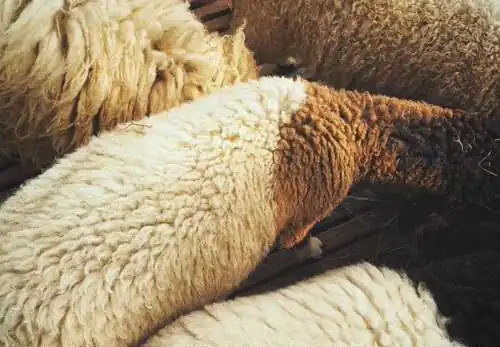
Sheepskin origin
The origin of sheepskin determines the wool density, hair characteristics, feel, and applicable fields. Understanding these differences helps in selecting suitable sheepskin products.
1. Australian Sheepskin
- Key Features: Primarily from Merino sheep. The wool is superfine, incredibly dense, and evenly curled. The leather is soft, and the quality is consistently high. The feel is luxuriously smooth.
- Common Uses: Its superior softness and appearance make it the top choice for premium car seat covers, luxury home throws, and high-end garment linings.
- Buyer’s Note: This is your go-to for premium softness and consistent luxury. It typically commands a higher price point.
2. New Zealand Sheepskin
- Key Features: Usually from crossbred sheep. The wool is longer, straighter, and has great loft. The leather is thick and hardy. The finished product looks full and plush, with a warm, sturdy feel.
- Common Uses: Perfect for thick rugs, car floor mats, bed overlays, and decorative cushions. It’s famous for its fluffy look and excellent insulation.
- Buyer’s Note: Ideal when you need durability, warmth, and that classic, luxurious visual appeal.
3. Chinese Sheepskin
- Key Features: Offers a very wide range of options across breeds and grades. High volume production leads to good cost-effectiveness, meeting various budgets.
- Common Uses: Widely used for mid-range home goods (cushions, slippers), apparel linings, handicrafts, and general automotive interiors.
- Buyer’s Note: Clarify your quality grade and budget. This is the key source for large-volume supply and strong value. Always confirm the specific grade (e.g., Grade A).
4. Nordic Sheepskin (e.g., Iceland, Norway)
- Key Features: The wool often shows natural mixed colors or patterns, with a rugged, unique character. The hair is more robust, and each pelt can look different.
- Common Uses: Mainly for statement home decor (wall hangings, sofa pelts), fashion coat linings, and creating a natural, rustic style.
- Buyer’s Note: The best choice if you want a one-of-a-kind, natural look with non-repeating patterns.
5. North American Sheepskin (e.g., USA, Canada)
- Key Features: Focuses on practicality and function. Many products undergo treatments for better water-resistance, stain resistance, or flame retardancy. The leather is sturdy.
- Common Uses: Common in work boot linings, motorcycle seat covers, pet beds, and travel rugs—areas that demand durability and easy care.
- Buyer’s Note: Focus here for performance-driven skins meant for outdoor, workwear, or specific functional applications.

Breed & Processing
Beyond origin, the sheep’s breed, age, and how the skin is processed greatly affect the final product.
1. Lambskin vs Sheepskin
- Lambskin: The leather is lighter, thinner, and more supple. The wool is relatively shorter and silkier. Perfect for fine fashion, gloves, luxury accessories, and baby products where a soft, lightweight feel is key.
- Sheepskin: The leather is thicker, tougher, and the wool is longer and denser. This is the base material for rugs, work boots, heavy coats, and durable home decor, prioritizing warmth and long-lasting use.
2. Understanding Main Processing Types
- Double-face / Shearling: This is the most common form—leather with the wool still on. Most classic sheepskin products fall into this category.
- Sheared Sheepskin: This means the wool on a double-face skin is trimmed to a uniform length. The surface is smooth and neat while remaining soft. You’ll often find this in classic bomber jackets, modern coats, seat covers, and homeware.
Making Your Sourcing Decision
Follow this simple path to narrow down your needs
- Define the End Use: Is it for apparel, home furnishing, automotive interior, or an industrial application?
- Choose the Leather Type: Decide between Lambskin (for softness/drape) or Sheepskin (for durability/warmth) based on your product’s needs.
- Lock in Origin Traits: Filter by the feel (fine vs. plush), style (luxe vs. rustic), and budget outlined in the origin guide above.
- Specify Processing: Confirm if you need a sheared finish for a flatter, more modern appearance.
- Always Get Samples: Before finalizing any order, always request physical samples to verify hand-feel, thickness, and color match your expectations.
Pro Tip for Buyers:
When talking to suppliers, be specific. Try: “I need a New Zealand sheepskin (not lambskin) for making medium-priced area rugs. Please send quotes and samples for both double-face and sheared finishes.”
Clear specs lead to accurate quotes and the right sample, saving everyone time.