

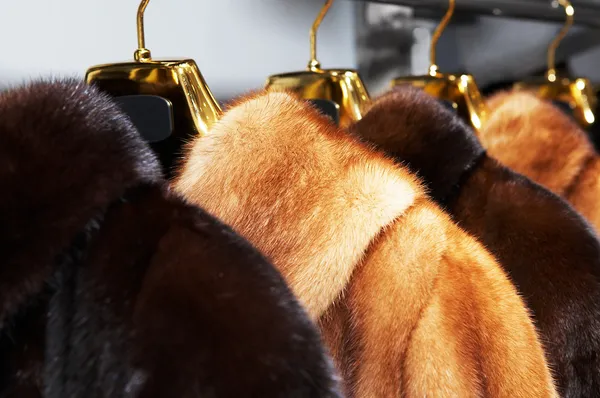
What is mink fur?
Simply put, mink fur specifically refers to the dressed animal skin with hair attached, obtained from the “mink,” and is one of the most premium materials in the fur industry.
Source Animal: The Mink
- In today’s market, over 95% of mink fur comes from specialized, professional fur farms, with very little obtained from wild trapping. Farming ensures greater consistency in color, size, and quality of the pelts.
- The term “mink fur” almost exclusively refers to pelts from the mink, not sable or other animals. Minks are slender, semi-aquatic mammals belonging to the weasel family.
Key features: Why is it so famous?
Mink fur is hailed as the “king of furs” primarily due to its exceptional physical properties:
- Softness and feel: It is known for its fluffy, silky, and soft touch due to its dense and short hair.
- Appearance: It is naturally a rich brown color, with the back and tail tip usually being darker and glossy.
- Durability: This is a very durable fur. If properly cared for, a high-quality fur can last up to 20 years or even longer.
- Warmth: The dense underfur provides excellent insulation, making it a very warm material.
- Water resistance: The oily protective layer helps to give the fur a certain degree of water resistance.
It is widely used in which products?
Luxury Clothing
- High-end fur coats and jackets
- shawl, scarf
- trim or embellishment of clothing
It has always been an important material in the luxury fashion industry, symbolizing wealth, status, and luxury.
advantage
- Unbeatable Warmth (for its weight)
The fur is ridiculously dense, trapping insane amounts of warm air. It’ll keep you toastier than a heavy parka, but feels light as a feather. - The Feel is Everything
You have to touch it to believe it. It’s luxuriously soft, smooth, and plush. That silky, natural shine is hard for fake fur to perfectly copy. - It Lasts Forever (Practically)
With proper care, a good coat can last for decades. It’s an investment piece that actually pays off over time. - It Screams “Luxury”
Let’s be real. In certain circles, it’s still the ultimate status symbol.
shortcoming
- Crazy Expensive
We’re talking major investment money. A decent coat comes with a price tag that makes you pause. - High-Maintenance Drama Queen
It hates rain, sun, and being stuffed in a closet. You’ll pay for professional cold storage in summer and professional cleaning always. It’s fussy. - Be Ready for Side-Eye
Wearing real fur today comes with judgment. You’ll need a thick skin to handle the animal welfare and environmental debates that follow it around. - It’s Not for Everyday
It’s way too glam. Running errands in it? You’ll look overdressed. Its practical use is super limited.
How to distinguish between real and fake mink fur
1. The Ultimate Test: Check the Backing
This is the most reliable method. Find a seam or inside edge where you can see the back of the material.
- True Mink will have a natural leather backing, often called the “skin side.” You’ll see the animal’s pores and a subtle, uneven texture—like very fine suede.
- Faux Fur will have a knitted, woven, or bonded fabric backing. It looks manufactured and uniform.
2. The Feel Test (With and Against the Grain)
Run your fingers through the fur in two directions.
- True Mink feels completely different depending on the direction. Stroke against the grain (from tips to root), and you’ll feel distinct resistance and roughness. Now stroke with the grain (root to tips), and it will feel incredibly smooth and silky.
- Faux Fur usually feels similar in both directions—consistently smooth, with little to no change in texture.
3. The Look Test: Sheen and Density
Examine the fur’s appearance and how it moves.
- True Mink has a natural, soft, luminous sheen—like silk. If you gently blow on it to part the topguard hairs, you’ll see an extremely dense, thick, and soft underfur beneath.
- Faux Fur often has a shiny, plastic-like, or dull gloss. When you part it, the underfur is typically thin and sparse, and you can often spot the fabric base underneath.
4. The Last-Resort Burn Test (Use with Caution!)
If you’re still unsure and can safely spare a single hair, this is definitive.
- True Mink will smell like burning hair, and the ash will be crunchy, black, and powdery.
- Faux Fur (made from acrylic or polyester) will smell like burning plastic, and the melted residue will form a hard, beaded lump.
How long can a mink fur product be worn?
A high-quality and well-maintained mink fur product can typically last for more than ten years, becoming a classic item that can be worn for a long time.
The specific lifespan of a garment is not a fixed number; it mainly depends on daily maintenance and cleaning.
How to maintain and clean it
Professional cleaning
Never wash with water or dry clean at home, as water will cause the leather to harden, deform, and lose hair.
After the annual wearing season ends, fur should be taken to a shop that provides professional fur care services for cleaning and maintenance.
Proper storage is crucial.
- Hanging method: Use a wide-shouldered hanger to hang the garment to prevent shoulder deformation. Do not fold it for storage to avoid permanent creases.
- Storage environment: Store in a cool, dry, and well-ventilated place. Avoid proximity to heat sources or prolonged direct sunlight, otherwise the leather will harden and age.
- Dust and moisture protection: Use a breathable cotton dust bag to cover the leather. Do not use non-breathable plastic covers, as these can easily cause mold growth. You can place a desiccant in the wardrobe to prevent moisture buildup.
Daily Clothing Notes
- Avoid getting it wet from rain or snow. If it gets wet accidentally, shake it off and let it air dry in a cool place.
- Avoid prolonged friction (such as friction from a car seatbelt).
- Avoid spraying perfumes or hairsprays containing alcohol or other chemicals.
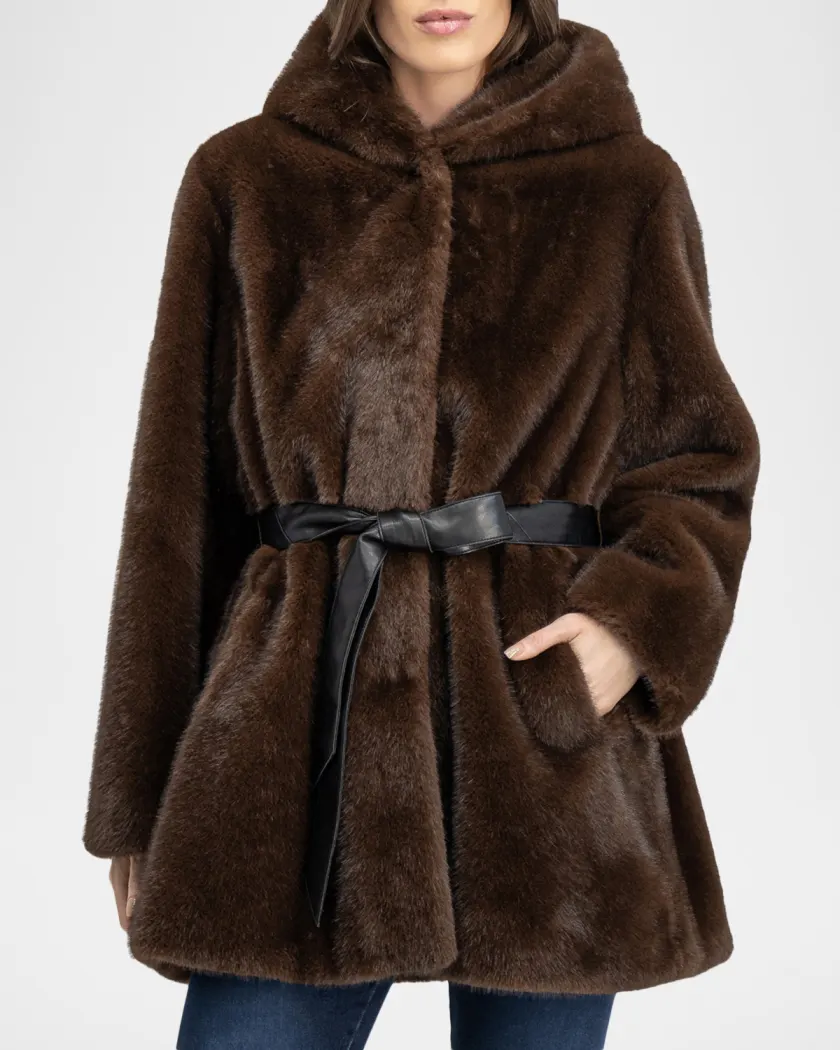
Committed to producing high-quality fur
If you have any questions for us, don’t hesitate to contact us. We will try to answer your question in the best manner possible.