

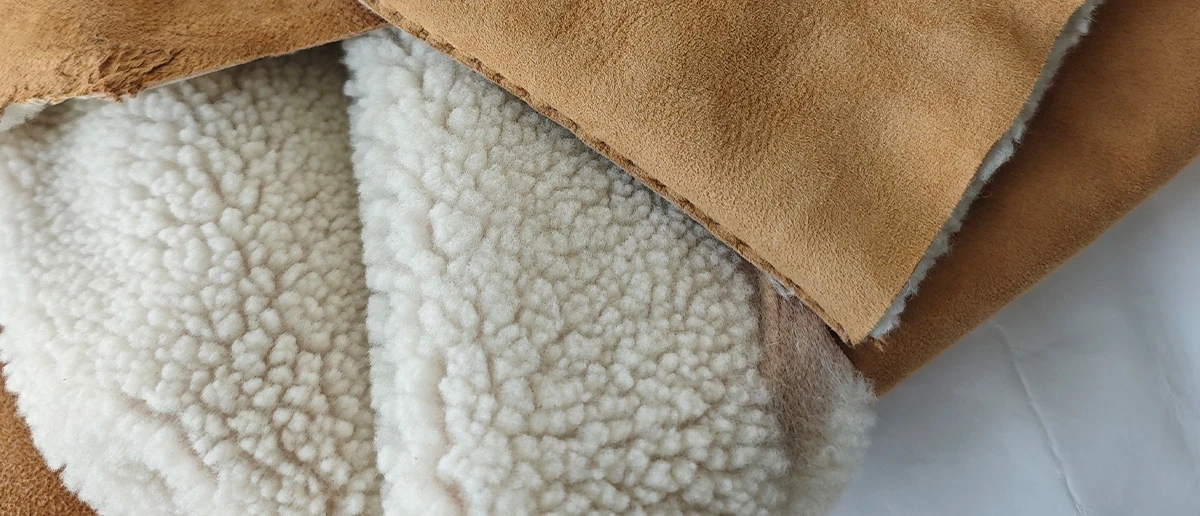
When sourcing semi-finished sheepskin, specifications matter more than many buyers realize. Thickness, wool length, density, and tanning method directly affect not only product performance, but also cost, yield, and production feasibility.
This guide explains the key semi-finished sheepskin specifications buyers should confirm before ordering, with practical recommendations based on different applications such as garments, footwear, gloves, furniture, and sheepskin rugs.
Why Shsspskin Specifications Matter in Manufacturing
Semi-finished sheepskin is not a standardized material. Even skins that look similar can behave very differently during cutting, sewing, or further finishing if specifications are not properly defined.
Many sourcing issues occur because buyers focus on price or origin, while overlooking technical details that determine whether the material is suitable for their end use.
For buyers who are planning semi-finished sheepskin customization, understanding specifications is a critical first step.
Key Specifications of Semi-Finished Shearling
Below are the most important parameters buyers should confirm before placing an order.
Leather Thickness
Leather thickness refers to the thickness of the sheepskin leather itself, excluding the wool. It affects flexibility, durability, sewing performance, and overall product structure.
For semi-finished shearling used in manufacturing, leather thickness is typically customized based on the specific application, such as apparel, footwear, automotive interiors, or furniture upholstery.
Rather than using a fixed standard, leather thickness should be confirmed according to end-use requirements and production methods.
Wool Length (Pile Length)
Wool length, also referred to as pile length, describes the height of the wool fiber measured from the leather surface. It is a critical specification for semi-finished shearling, as it directly influences warmth, comfort, appearance, and suitability for different manufacturing applications.
Typical wool length recommendations by application include:
- Garments:
A wool length of 10–18 mm is commonly used to balance insulation, softness, and drape, making it suitable for shearling apparel. - Gloves:
For sheepskin gloves, a shorter wool length of 8–10 mm is preferred to ensure dexterity, comfort, and ease of stitching. - Shoe lining:
Wool length of around 12 mm provides warmth and breathability without adding excessive bulk inside footwear. - Furniture upholstery:
A wool length of around 15 mm is typically used for furniture applications.
For curly sheepskin, a slightly shorter visible pile is common due to the natural curl structure. - Sheepskin rugs:
Wool length varies depending on style and market preference:- Medium pile rugs: around 3.5 cm
- Long pile rugs: 6–8 cm
For a deeper understanding of how thickness and wool length work together in sheepskin manufacturing, check out our detailed article on Sheepskin Thickness vs Wool Length: What Matters for Manufacturing?
Wool Density
Density affects warmth, durability, and visual fullness. Higher density usually means better insulation and longer lifespan, but also higher cost.
For manufacturing applications, density should be selected based on usage intensity rather than appearance alone.
Tanning Method
Tanning determines leather stability, softness, and compliance with market regulations.
Eco-friendly tanning methods are increasingly required for markets such as:
- EU
- North America
- Japan
Buyers should confirm tanning compliance early to avoid certification or import issues later.
Backing Finish
Backing finish refers to the finishing condition of the leather side of sheepskin, which influences sewing performance, flexibility, and application suitability.
Depending on the intended use, different backing finishes can be provided, such as natural clean back, lightly buffed back, or processed back for improved stability. Backing finish is typically customized based on product requirements.
For a detailed explanation of available options, please refer to our sheepskin backing treatment guide.
Matching Shearling Specifications to Different Applications
Selecting the correct specifications depends on how the shearling will be used:
- Apparel manufacturing prioritizes softness and drape
- Footwear and gloves require flexibility and breathability
- Furniture applications focus on durability and consistency
- Rugs emphasize wool length, density, and visual impact
For a full overview of how specifications relate to different applications, buyers should refer to a dedicated semi-finished sheepskin customization guide.
Common Specification Mistakes Buyers Make
- Assuming all semi-finished shearling is the same
- Not confirming wool length tolerance
- Ignoring thickness variation across skins
- Selecting rug wool length without considering maintenance
These mistakes often result in higher rejection rates and unexpected production costs.
Our Semi-Finished Shearling Specification Range
In our factory, we customize semi-finished shearling for various industries, including apparel, footwear, automotive, furniture, and rugs.
- Wool length customized by application
- Thickness adjusted based on end use
- Eco-friendly tanning process with SGS certification
- MOQ from 100 hides for semi-finished shearling
Our team works closely with buyers to ensure specifications align with manufacturing requirements.
Discuss Your Shearling Specification Requirements
If you are sourcing semi-finished shearling for manufacturing or product development, we recommend confirming specifications before sampling or bulk production.
Feel free to contact us to discuss wool length, thickness, and application-specific requirements.