

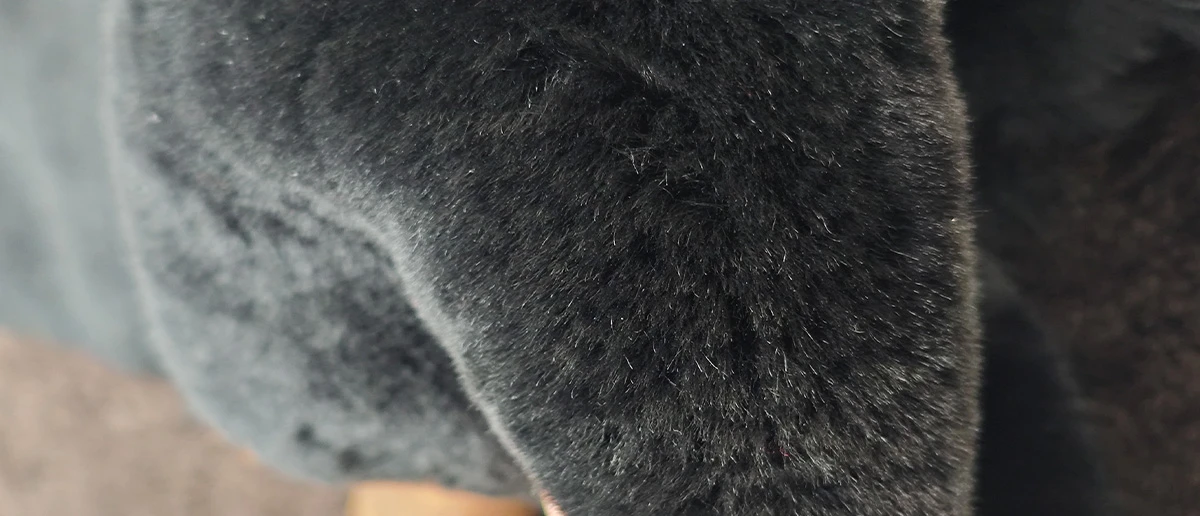
Shearling has long been a favored material in the fashion industry for its softness, warmth, and natural beauty. From high-end fashion jackets to cozy winter accessories, the versatility of shearling makes it ideal for a variety of garments. However, sourcing the right semi-finished shearling for garments production can be a challenging task, especially when it comes to customizing the material to meet specific design and performance requirements.
In this article, we will explore the key factors to consider when choosing semi-finished shearling for garment production and offer tips on how to select the best specifications for your needs.
What is Shearling and Why is it Ideal for Garments?
Shearling is a sheepskin with the fleece still attached, which is carefully tanned and processed for durability and softness. Unlike traditional leather, shearling retains its natural wool, offering both warmth and comfort. Shearling is often used in outerwear, gloves, shoes, and accessories due to its unique properties.
Semi-finished shearling is the perfect option for garment manufacturers because it allows for customization based on specific design and functional requirements. By choosing the right thickness, wool length, and backing, manufacturers can create garments that are both luxurious and practical.
For a deeper dive into shearling customization options, check out our comprehensive guide on semi-finished sheepskin customization
Key Specifications to Consider When Choosing Shearling for Garments
When sourcing semi-finished shearling for garments, several specifications must be considered to ensure the material meets the desired quality and performance.
1. Wool Length
The length of the wool is one of the most important factors in determining the look and feel of shearling garments. For outerwear and coats, longer wool provides a luxurious, plush feel that offers more insulation. However, for accessories like gloves or small garments, shorter wool may be preferred for a more lightweight and flexible fit.
- Long Wool: Ideal for jackets, coats, and large outerwear garments where a plush and luxurious appearance is desired.
- Short Wool: Perfect for smaller items like gloves, scarves, and hats, offering flexibility and ease of use.
2. Thickness of the Shearling
The thickness of the semi-finished sheepskin determines how heavy or lightweight the final garment will be. Thicker shearling provides better insulation, making it ideal for outerwear in colder climates. Thinner shearling, on the other hand, is lighter and more breathable, making it suitable for fashion pieces that do not require heavy insulation.
- Thick Shearling: Suitable for winter outerwear, coats, and jackets.
- Thin Shearling: Best for lighter garments, such as fashion accessories or transitional pieces.
3. Wool Density
Wool density refers to how tightly packed the wool is on the sheepskin. A denser wool provides better insulation and warmth, making it a perfect choice for colder regions. However, if you are designing garments for milder climates, a less dense wool may be more appropriate.
- High Wool Density: Provides excellent insulation and warmth for winter garments.
- Low Wool Density: Ideal for more breathable, lightweight garments.
4. Back Finish
The back finish of the shearling plays an essential role in garment production, as it affects how easily the material can be sewn and processed. A smooth, uniform back finish makes the material easier to work with, ensuring the production of high-quality garments.
- Smooth Back Finish: Easier for sewing and stitching, providing a professional finish to the garment.
- Rougher Back Finish: Offers a more rustic or raw look, but may be harder to process.
Learn more about sheepskin thickness and wool length in our detailed specifications guide
How to Choose the Right Semi-Finished Shearling for Garments
When selecting semi-finished shearling for garments, it’s crucial to consider both the aesthetic and functional aspects of the material. Work with a reliable sheepskin supplier that offers a variety of options for thickness, wool length, and back finish. Ensure that the supplier can provide customization options, such as eco-friendly tanning, to meet your brand’s sustainability goals.
Key Steps in the Selection Process:
- Determine the Garment Type: Consider whether the garment is outerwear, accessories, or lightweight pieces.
- Specify Wool Length and Thickness: Choose based on the desired insulation, appearance, and flexibility.
- Evaluate Wool Density: Higher wool density is ideal for warmth, while lower density works better for breathable, lightweight garments.
- Choose a Back Finish: Ensure it suits the garment’s design and manufacturing process.
Why Work with a Trusted Semi-Finished Sheepskin Supplier?
Selecting the right semi-finished sheepskin for your garments requires expertise and reliable sourcing. At Zongking, we offer customizable semi-finished shearling sourced from the finest sheep breeds, including Australian, New Zealand, and South African sheepskin. Our materials are eco-friendly, with SGS certification, and are tanned using methods that retain the natural softness and durability of the wool.
- MOQ starts from 100 hides, perfect for smaller production runs.
- Customization available for wool length, thickness, and back finish to suit your garment designs.
- Eco-friendly tanning processes that align with international sustainability standards.
Call to Action
If you’re ready to start sourcing custom shearling for your garments, contact us today to discuss your project requirements and receive a quote. We’re here to help you find the perfect material for your needs.