
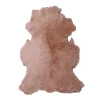
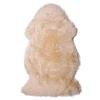
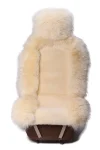
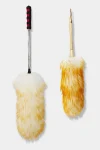
If you’ve ever shopped for natural sheepskin home goods, apparel, or baby essentials, you’ve almost certainly asked one core question: Which is softer—lambskin or sheepskin? And how do I choose between the two?
Most shoppers mix up lambskin and sheepskin, assuming they’re just different names for the same material. But the truth is, these two natural hides have distinct, fundamental differences, from their source and fiber structure, to softness, durability, ideal uses, and care requirements.
In zongking, we believe the best buying decisions start with clear, honest education.
The Core Difference: It All Starts with the Sheep
Let’s start with the simplest, most important distinction that defines every other difference between the two materials:
- Lambskin: The hide and wool of a young lamb, 6 months old or younger, harvested before weaning. It’s widely recognized as the premier, luxury-grade natural sheepskin material.
- Sheepskin: The industry standard term for the hide and wool of a mature sheep, 1 year old or older. This is the most widely used, versatile commercial sheepskin material available.
Both come from sheep, but the animal’s age is the foundation of every difference in softness, texture, durability, and performance.
In Zongking, All our sheepskin and lambskin products are sourced from ethical, sustainable farms that meet strict animal welfare standards, with zero compromise on quality or responsible sourcing.
Core Comparison
Softness is influenced by:
- Fiber density: Lambskin fibers are denser and smoother.
- Hair length & texture: Lambskin has short, fine fibers; sheepskin has medium-long, coarser fibers.
- Leather thickness: Sheepskin is thicker and supportive but less soft.
Comparison Table
| Feature | Lambskin | Sheepskin |
|---|---|---|
| Sheep age | ≤6 months | Adult sheep |
| Leather thickness | Thin | Thick |
| Fiber fineness | Fine | Slightly coarse |
| Hair length | Short | Medium-Long |
| Softness | High | Medium |
| Durability | Moderate | High |
| Typical use | Premium jackets, gloves, close-contact clothing | Car seats, rugs, insoles, furniture |
The Ultimate Buying Guide: Choose the Right Material for Your Needs
The best material for you depends entirely on how you plan to use it. Here’s our straightforward, no-fluff buying guide for every common use case:
Choose Lambskin If You Want: Unmatched Softness, Sensitive-Skin Safe, Delicate Pieces
Lambskin is built for luxury comfort, gentle skin contact, and refined, delicate essentials. It’s the perfect choice for:
- Baby & Nursery Essentials: Stroller liners, play mats, crib liners, and baby bedding. Lambskin is naturally temperature-regulating, breathable, hypoallergenic, and gentle on fragile newborn skin—warm in winter, cool in summer, the gold standard for baby sheepskin products.
- Skin-Contact Home Accents: Seat cushions, chair cushions, sofa throws, small accent rugs, and bedside runners. It elevates any space with a cozy, luxe feel, and adds instant comfort to any seating area.
- Wearable Apparel & Accessories: Lined footwear, scarves, gloves, and lightweight shearling garments. It’s lightweight, non-bulky, and soft against skin, with zero scratchiness.
- Sensitive Skin Users: Naturally hypoallergenic and free of coarse fibers, it’s ideal for anyone with easily irritated skin.
Choose Sheepskin If You Want: Durability, Heavy-Duty Use, Large-Scale Pieces
Sheepskin is built for long-lasting durability, high-traffic use, and oversized, statement pieces. It’s the perfect choice for:
- Large Area Rugs & Full-Cover Rugs: Living room, bedroom, and hallway rugs. Larger hides, ultra-durable fibers that won’t mat or flatten under daily foot traffic, and a far longer lifespan than lambskin.
- High-Traffic Home Goods: Full sofa throws, bench cushions, window seat pads, and daily-use soft furnishings. It stands up to constant use, wear, and cleaning far better than delicate lambskin.
- Outdoor & Heavy-Use Spaces: Patio seat cushions, camping pads, and high-wear accent pieces. The sturdy hide and thick wool resist dirt, wear, and daily use, with easier long-term maintenance.
- Structured, Statement Pieces: Large floor throws, oversized soft furnishings, and heavy warmth-focused pieces. It holds its shape perfectly, with a bold, cozy, polished look that never flattens or loses its structure.
Final Conclusion
To answer the question we started with: Yes, lambskin is softer than sheepskin.
Lambskin’s natural fine fiber structure and supple hide give it unbeatable softness, making it the top choice for baby essentials, skin-contact pieces, and luxury comfort items. Sheepskin, on the other hand, offers unmatched durability, plush warmth, and versatility, making it perfect for high-traffic, large-scale, long-wearing home goods.
There’s no “better” material—only the right one for your lifestyle and needs.
We craft our entire collection with premium, sustainably sourced hides and eco-friendly professional tanning, from ultra-soft lambskin baby essentials and comfort pieces, to heavy-duty sheepskin rugs and home furnishings. Every piece is built to deliver lasting comfort, quality, and timeless style.
If you’re still unsure which material or style is perfect for your space, our team is always here to help with personalized, no-pressure buying advice.
Contact Us →
- WhatsApp: +86 13315919918
- Email: info@zongking.com.cn