
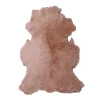
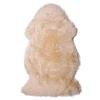


From temperature regulation to pressure relief — the material science behind the most trusted cockpit seat cover in aviation.
For pilots logging 4–10+ hours in the same seat, “comfort” is not a luxury — it’s a safety factor. The choice of seat cover material directly affects posture, circulation, and focus. Sheepskin has been the go-to choice for decades, and the reasons are rooted in material science, not tradition.
A genuine sheepskin pilot seat cover outperforms synthetic alternatives across six measurable dimensions: thermal regulation, moisture management, pressure distribution, anti-slip grip, antimicrobial properties, and long-term durability.
- Temperature & moisture control:Hollow wool fibres wick sweat away and create an insulating air layer — keeping pilots dry in heat and warm at altitude.
- Pressure distribution:Elastic fibres spread body weight over a larger surface area, reducing peak pressure at the ischial bones by up to 30%.
- Anti-slip stability:Naturally crimped fibres grip clothing during turbulence and maneuvers, keeping pilots locked in the correct control position.
- Antimicrobial lanolin:Natural lanolin in the fleece inhibits bacterial and mite growth — critical in aircraft shared by multiple crew members.
- Durability & lifespan:Quality sheepskin lasts 5–10 years with proper care. Synthetics typically degrade in 2–3 years, making sheepskin more cost-effective over time.
- Sustainable material:As a natural, renewable fibre, sheepskin has a significantly lower carbon footprint than petroleum-based synthetic seat covers.
Natural microclimate regulation
The hollow-core structure of wool fibre allows a sheepskin cockpit seat cover to function like a passive climate system. In warm cockpit environments, moisture is drawn away from the skin and dispersed outward. In cold, high-altitude conditions, the trapped air between fibres acts as an insulating barrier.
This dual-action thermal behaviour keeps the seat surface within the human body’s comfort zone, reducing the distraction of overheating or chilling — both of which impair sustained attention during long flights.
Pressure relief for long-haul operations
Prolonged seated posture creates pressure concentration at the ischial tuberosities (sit bones), which can lead to sciatic nerve compression, lumbar disc stress, and reduced lower-limb circulation. These are well-documented occupational risks for professional pilots.
The elastic compression-and-rebound behaviour of sheepskin fibres distributes body weight across a larger contact area. Studies comparing seat surface materials have shown sheepskin reduces peak pressure at the sit bones by approximately 20–30% compared to standard foam or synthetic fabric — a meaningful reduction for flight comfort over extended duty cycles.
Clinical note: Deep vein thrombosis (DVT) risk increases significantly after 4+ hours of immobility. Reducing seat pressure and improving micro-circulation is one preventive factor within a pilot’s direct control.
Anti-slip grip during critical maneuvers
During steep turns, go-arounds, or unexpected turbulence, the pilot’s body must remain in a precise position relative to the rudder pedals and control column. Minor sliding displacement — even a few centimetres — creates cumulative control fatigue.
The naturally crimped fibres in a genuine aviation seat cover provide passive friction against flight suit fabric. Unlike smooth leather or nylon surfaces, sheepskin maintains grip even when the pilot is perspiring, without requiring active muscular effort to maintain position.
Antimicrobial properties via natural lanolin
Lanolin — the natural wax secreted by sheep to protect their fleece — is retained in quality-processed sheepskin. Research has confirmed lanolin’s inhibitory effect against common bacterial strains and dust mites. In a shared cockpit seat environment (flight training, charter, or commercial multi-crew operations), this reduces pathogen transfer and odour accumulation between users without requiring chemical treatments.
Total cost of ownership
A premium sheepskin pilot seat cover typically costs more upfront than a synthetic alternative. However, the lifecycle comparison changes the calculation significantly:
- Sheepskin: 5–10 years of usable life with routine care
- Synthetics: typically 2–3 years before hardening, cracking, or loss of cushioning
- Lower average annual cost for sheepskin over a 10-year horizon
- Stable comfort properties throughout — no gradual degradation in pressure relief
How to choose the right sheepskin seat cover for your aircraft
Not all sheepskin products perform equally. When evaluating a sheepskin seat cover for pilots, consider these four criteria:
- Pile length 20–30 mm with consistent density across the surface
- Chrome or vegetable tanning for durability and environmental compliance
- Aircraft-specific sizing or confirmed compatibility with your seat model
- Clear care instructions — machine-washable options simplify maintenance cycles
Conclusion
Sheepskin’s dominance in pilot seat covers is not nostalgia — it is the result of properties that synthetic materials have not replicated in combination: two-way thermal regulation, elastic pressure distribution, passive anti-slip grip, natural antimicrobial action, and a lifespan that justifies the investment. For any pilot spending serious hours in the cockpit, a sheepskin aviation seat cover is professional equipment, not a comfort accessory.
Ready to upgrade your cockpit comfort? Explore our full range of sheepskin pilot seat covers — sized for your aircraft model.