
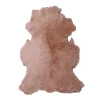
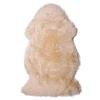
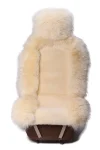
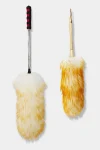
There’s a reason sheepskin rugs have graced homes for centuries. Step onto one barefoot on a cold morning and you’ll understand immediately — that dense, cloud-like softness underfoot isn’t something synthetic can replicate. Natural sheepskin is one of nature’s most functional materials, and when it’s on your floor, it shows.
Whether you’re looking to add warmth to a bedroom, texture to a living room, or a cozy focal point to a nursery, this guide covers everything you need to make the right choice — and enjoy it for years to come.

What Is a Natural sheepskin carpet?
A Natural sheepskin rug is crafted from the hide of a sheep with the wool left naturally intact. Unlike faux alternatives made from synthetic fibres, real sheepskin is a single natural material — the leather backing and wool pile are one continuous piece, never glued or assembled.
This matters for several reasons:
- Durability: The wool fibres are rooted directly into the hide, so they don’t shed or pull away the way synthetic loops do over time.
- Temperature regulation: Natural wool is hollow at the fibre level, which means it actively wicks moisture and insulates in both cold and warm conditions.
- Hypoallergenic properties: Genuine sheepskin contains lanolin, a natural wax that resists dust mites and bacterial growth — making it a surprisingly practical choice for allergy-sensitive households.
- Softness that deepens with use: Real wool fibers become softer and more supple with regular use. A genuine sheepskin rug you own for five years feels better than the day you bought it.
Genuine Sheepskin vs Faux: Why It Matters
Faux sheepskin rugs are widely available and often look convincing at first glance. But the differences become clear quickly — both in how they feel and how they hold up.
| Genuine Sheepskin | Faux Sheepskin | |
|---|---|---|
| Material | Natural hide + wool | Synthetic fibres on fabric backing |
| Softness | Increases over time | Flattens and matts with use |
| Temperature regulation | Yes — natural wool breathes | No — traps heat and moisture |
| Durability | 10–20+ years with care | 2–5 years typical lifespan |
| Hypoallergenic | Yes (lanolin) | No — can harbour dust and static |
| Environmental impact | Biodegradable, natural byproduct | Petroleum-based, non-biodegradable |
The price difference is real, but so is the value gap. A genuine sheepskin rug bought once outlasts several faux replacements — and looks better throughout.

Choosing the Right Sheepskin Rug
Size & Shape
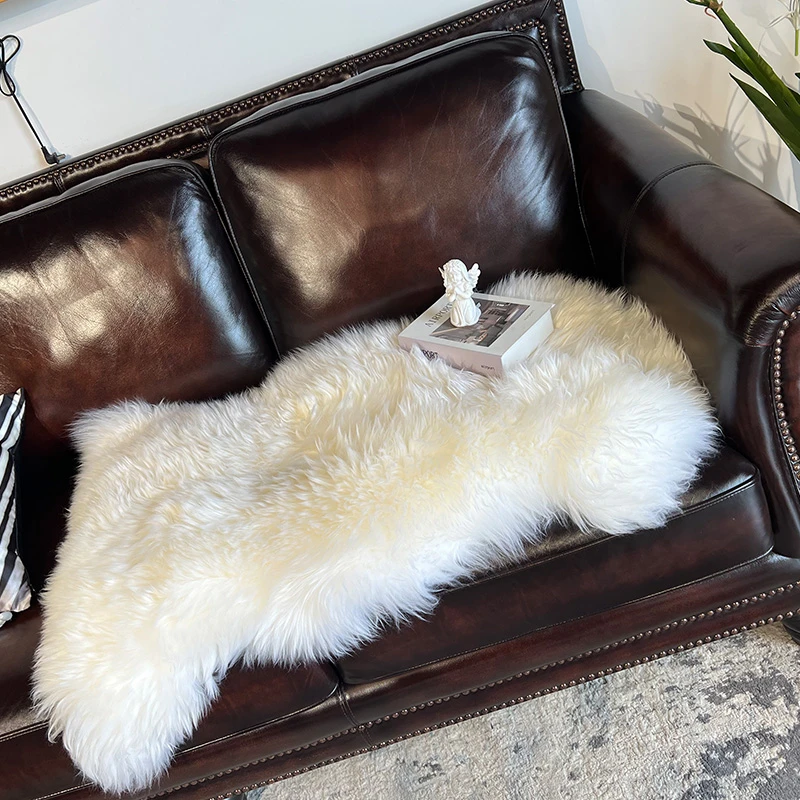
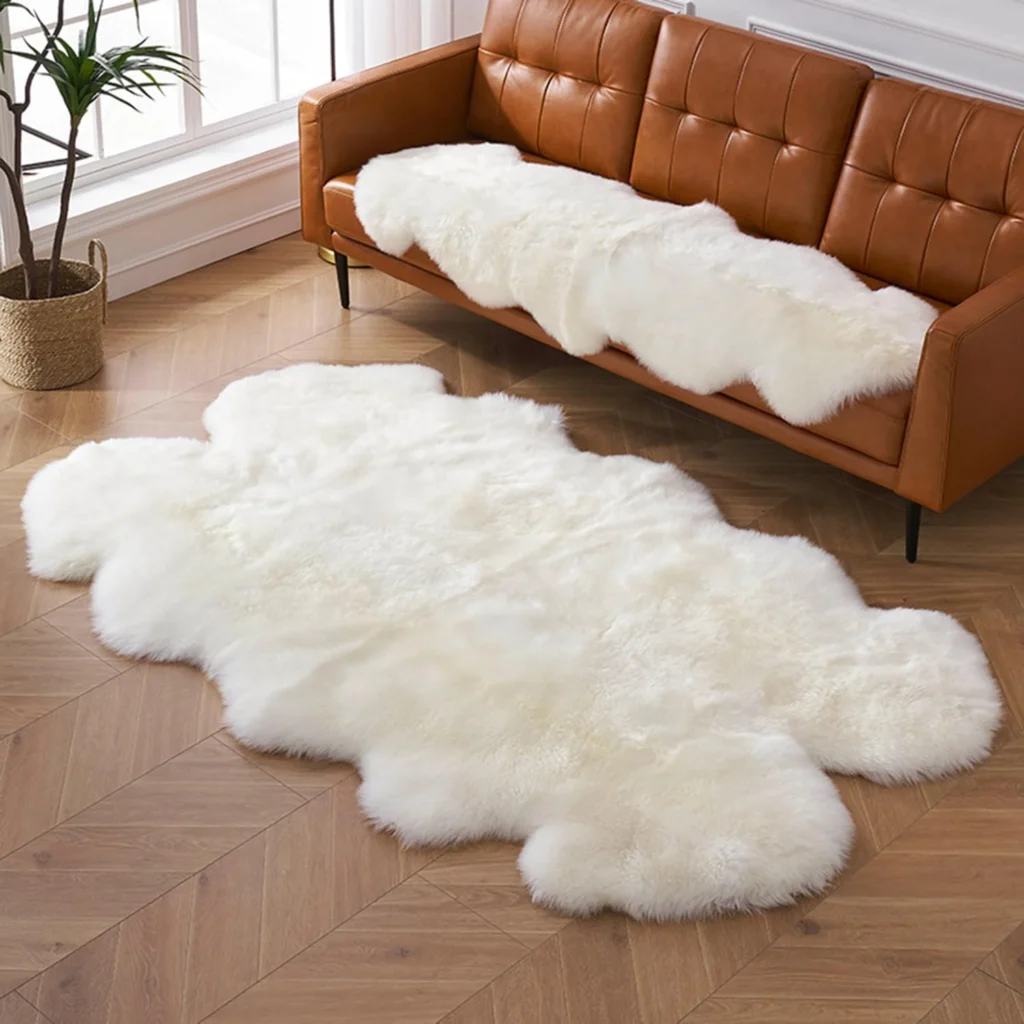
Single pelt (approximately 60 × 90 cm / 2′ × 3′) The most versatile size. Works beautifully beside a bed, in front of an armchair, or draped over a sofa. A classic starting point if you’re new to sheepskin.
Double pelt (approximately 90 × 160 cm / 3′ × 5′) Ideal as a small area rug in a reading nook, nursery, or at the foot of a bed. Gives a more substantial presence without dominating a space.
Quad / large pelt (150 cm+ / 5′ and above) A true statement piece. Large sheepskin rugs work in open-plan living areas, beneath a coffee table, or as the centrepiece of a bedroom.
Round sheepskin rugs A design-forward option that softens angular furniture arrangements. Particularly popular in Scandinavian and minimalist interiors.
Colour
Natural white and ivory are the most popular — they brighten a space and complement almost any palette. Natural tones vary slightly between hides, which is part of their charm.
Natural grey and brown offer a warmer, earthier feel and show less day-to-day wear in high-traffic spots.
Dyed colours (charcoal, blush, caramel, black) allow sheepskin to anchor bolder interior schemes. Look for rugs dyed with non-toxic processes to preserve the wool’s natural properties.
What to Look for in Quality
- Wool density: Run your fingers through the pile. Dense, springy wool that returns to shape indicates a well-tanned hide.
- Leather backing: Should be supple, not stiff or papery. Stiff leather is a sign of over-tanning or low-grade hide.
- Even pile length: High-quality sheepskin has consistent wool depth across the entire hide.
- Tanning method: Chrome-free or vegetable-tanned hides are softer and more sustainable — worth asking about if provenance matters to you.
How to Style a Sheepskin Rug in Your Home
Bedroom
Lay a single or double pelt beside the bed so the first thing your feet touch in the morning is something worth waking up for. For a symmetrical look, use matching pelts on both sides of a king or queen bed.
Living Room
Place a large sheepskin under a coffee table to anchor the seating area with warmth and texture. Alternatively, drape a single pelt over the arm of a sofa or chair — it’s one of the easiest ways to add a tactile, layered look to a room.
Nursery & Children’s Rooms
Sheepskin’s natural hypoallergenic properties make it a popular choice for nurseries. A soft pelt on the floor beside a cot or rocker creates a warm, comfortable space for floor play. (Always supervise infants — never use as a sleep surface for babies.)
Home Office
A sheepskin under a desk chair adds warmth to spaces that often feel sparse. It also softens the acoustics of a hard-floored room — a subtle but real benefit for anyone spending hours at a desk.
Styling Tip
Sheepskin pairs especially well with natural materials — raw linen, aged timber, rattan, stone, and ceramic. It’s a key texture in Scandinavian, coastal, and organic modern interiors, but its neutrality means it works equally well in maximalist schemes as a grounding element.
How to Clean & Care for Your Sheepskin Rug
Genuine sheepskin is more resilient than most people expect — but it does benefit from proper care.
Everyday Maintenance
- Shake it out regularly to loosen dust and restore the pile.
- Brush gently with a wide-tooth comb or slicker brush (a pet brush works well) to keep the wool fluffy and prevent matting.
- Air it out outdoors in light shade occasionally — sunlight and fresh air help keep the wool fresh and kill any bacteria naturally.
Spot Cleaning
For small spills, blot immediately with a clean, dry cloth. Don’t rub — it pushes the liquid deeper into the fibres. For persistent spots, dampen a cloth with cool water and a small amount of wool-safe detergent, then blot and allow to air dry naturally.
Full Washing
Most genuine sheepskin rugs can be hand-washed or machine-washed on a delicate wool cycle in cool water (max 30°C / 86°F) with a specialist wool or sheepskin shampoo. Never use regular laundry detergent — the enzymes break down the lanolin and damage the hide.
After washing:
- Gently squeeze out excess water — never wring or twist.
- Reshape the rug and lay flat or hang away from direct heat and sunlight.
- Once nearly dry, brush the wool pile to restore its texture.
- Allow to dry completely before placing back on the floor. This can take 24–48 hours.
What to Avoid
- Direct heat (radiators, tumble dryers, direct sunlight for extended periods)
- Bleach or enzyme-based detergents
- Soaking in water for prolonged periods
- Folding for long-term storage — roll instead
FAQ
Are sheepskin rugs ethical? Genuine sheepskin rugs are typically a byproduct of the meat industry, meaning the hide would otherwise go to waste. Many suppliers also source from farms with certified animal welfare standards.
How long does a genuine sheepskin rug last? With proper care, a high-quality sheepskin rug can last 15–20 years or more. The natural tanning process preserves the hide long-term, and wool fibres are naturally resilient. Compare that to faux alternatives, which typically begin deteriorating within a few years.
Do sheepskin rugs shed? High-quality genuine sheepskin rugs shed minimally. Some initial light shedding is normal in the first few weeks as any loose fibres work their way out — this settles quickly and stops entirely.
Can I use a sheepskin rug on heated floors? Yes, with care. Keep underfloor heating at a moderate temperature (below 27°C / 80°F) and ensure the rug has adequate ventilation underneath to prevent the leather backing from drying out.
How do I stop a sheepskin rug from slipping? Use a non-slip rug pad underneath. Choose one designed for natural-material rugs — avoid rubber-backed pads that can trap moisture against the leather.
Are sheepskin rugs suitable for people with allergies? Generally yes. Lanolin, the natural wax in wool, is antibacterial and resistant to dust mites — the main culprit in most wool-related allergies. Most people who believe they’re allergic to wool are actually reacting to synthetic additives used in processed wool products. Pure sheepskin is tolerated well by the majority of allergy sufferers.
Why Genuine Sheepskin Is Worth the Investment
A cheap rug is replaced. A good rug is kept.
Genuine sheepskin improves with age, requires no special conditions to maintain, and brings a quality of warmth and texture that no synthetic material comes close to. It’s one of those home purchases that quietly justifies itself every day — in the way a room feels, the way it looks in winter light, and in the decade or more it stays on your floor without needing to be replaced.