
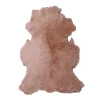
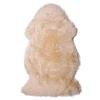
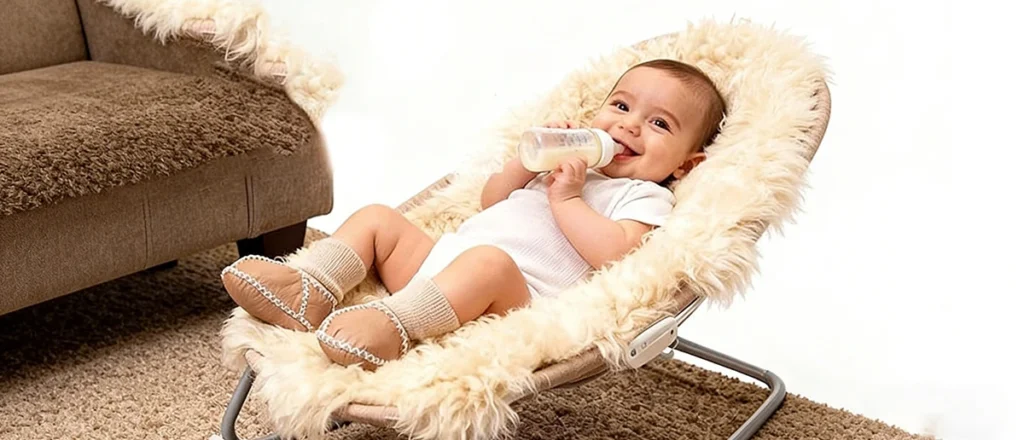
There’s something instinctive about putting a baby down on something soft and natural. Long before crib mattresses and foam play mats, mothers wrapped newborns in fleece and laid them on pelts. It wasn’t sentiment. It was practical knowledge — that sheepskin kept babies warm without overheating them, stayed dry without synthetic wicking layers, and remained gentle enough for the most sensitive skin imaginable.
Today’s sheepskin baby mats — are among the most thoughtfully sourced infant products available. And once you understand what genuine sheepskin actually does, the choice becomes obvious.
What Makes Sheepskin Different From Every Other Baby Mat
Most baby mats are built around a single function: softness. Sheepskin does something more interesting — it responds to its environment.
Wool fibres are hollow at the core. That structure allows them to absorb and release moisture, trap warmth when it’s needed, and ventilate when it isn’t. A baby lying on a sheepskin mat is never lying in a static microclimate. The material adjusts around them.
No foam does this. No polyester fleece does this. It’s not a feature that can be engineered into a synthetic — it’s a property that comes from the fibre itself.
The Benefits of Sheepskin for Babies
Temperature Regulation — The One That Matters Most
Newborns cannot regulate their own body temperature. For the first months of life, they depend almost entirely on their environment to do it for them. This is why the material a baby rests on is not a trivial decision.
Genuine sheepskin acts as a natural thermostat. In cooler conditions, the dense wool pile traps a layer of warm air close to the body. In warmer conditions, the same fibres wick moisture away from the skin and allow heat to escape. Studies on sheepskin in neonatal care settings have noted that infants on sheepskin maintained more stable skin temperatures than those on conventional surfaces.
The result, in practical terms: fewer layers needed, fewer overheating worries, and a baby that sleeps more comfortably across a wider range of room temperatures.
Moisture Management — Dry Skin, Better Sleep
Babies perspire. It’s one of the ways their bodies regulate temperature, and it happens even during sleep. Synthetic surfaces trap that moisture against the skin, creating the damp, sticky feeling that wakes babies up and contributes to skin irritation.
Wool fibres can absorb up to 30% of their own weight in moisture before they feel wet to the touch. That moisture is drawn away from the surface — away from the baby — and released gradually as the wool dries. The result is a sleeping surface that stays dry and comfortable far longer than foam or synthetic alternatives.
Hypoallergenic by Nature
Lanolin — the natural wax found in wool — is antibacterial and naturally resistant to dust mites, mould, and bacterial growth. These are the primary triggers for most allergy and asthma responses in young children.
It’s worth noting: many parents who believe their child is sensitive to wool are actually reacting to the chemical treatments used on processed wool products. Genuine, minimally processed Merino sheepskin from traceable sources is tolerated well by the vast majority of infants, including those with sensitive skin.
For parents who want to reduce synthetic chemicals in their baby’s immediate environment, sheepskin offers something rare — a surface that’s naturally protective without needing to be chemically treated to be so.
Softness That’s Earned, Not Manufactured
There’s a quality difference between softness that’s engineered and softness that’s natural. Synthetic plush is soft on the day you buy it. It flattens, matts, and loses its texture within months. Genuine Merino sheepskin does the opposite — the fibres become more supple and settled with use, conforming gently to the baby without losing their resilience.
A sheepskin baby mat bought for a first child is often still in use for a second or third. That’s not marketing. It’s just how the material ages.
Sheepskin Baby Mat vs Other Baby Mats
| Sheepskin Baby Mat | Foam Play Mat | Cotton / Knit Mat | Faux Sheepskin | |
|---|---|---|---|---|
| Temperature regulation | Natural, active | None | Minimal | None |
| Moisture wicking | Excellent | Poor | Moderate | Poor |
| Hypoallergenic | Yes (lanolin) | Depends on materials | Variable | No |
| Softness over time | Improves | Degrades | Stable | Degrades quickly |
| Lifespan | 10–15+ years | 2–4 years | 3–5 years | 1–3 years |
| Chemical treatments | Minimal (if well-sourced) | Often significant | Variable | Often significant |
| Environmental impact | Biodegradable | Non-biodegradable | Variable | Non-biodegradable |
The argument for foam is price and convenience. The argument for sheepskin is everything else.
How to Use a Sheepskin Baby Mat
Tummy time. The soft, slightly textured surface of a sheepskin mat gives babies gentle sensory feedback during tummy time — more interesting than a flat foam mat, and more forgiving than a hard floor.
Floor play. As babies become more mobile, a sheepskin mat provides a warm, comfortable surface for rolling, sitting, and early crawling — one that moves and compresses naturally rather than shifting or bunching.
Pram and stroller liner. A sheepskin mat sized for a stroller keeps babies comfortable during outdoor time in cooler months — and, unlike synthetic liners, breathes during warmer days rather than trapping heat.
Beside the cot. Place a sheepskin beside the cot so that when you lift a baby out for a night feed, you’re stepping onto something warm. It’s a small thing that makes a real difference at 3am.
One important note: Sheepskin mats are not recommended as a sleep surface for infants under 12 months due to safe sleep guidelines. Use on a firm, flat mattress with standard bedding during sleep, and reserve the sheepskin for supervised awake time.
Caring for a Sheepskin Baby Mat
Sheepskin is more resilient than most people expect — but it benefits from the right care.
Daily: Shake it out and give it a gentle brush with a wide-tooth comb or soft slicker brush to keep the wool pile lifted and fresh.
As needed: Spot clean with cool water and a wool-safe detergent, blotting rather than rubbing. Allow to air dry naturally.
Full wash: Hand wash or machine wash on a wool/delicate cycle at no more than 30°C with a specialist wool shampoo. Never use standard laundry detergent — the enzymes break down the lanolin and damage the hide over time.
Drying: Lay flat or hang away from direct heat and sunlight. Once nearly dry, brush the pile to restore its texture. Allow 24–48 hours to dry completely before use.
Store rolled, not folded. Folding along the same crease repeatedly can stress the leather backing over time.
What to Look for When Buying
Not every sheepskin baby mat is made equally. These are the things worth checking:
Origin of hide. Australian or New Zealand Merino is the benchmark. Ask suppliers to confirm origin with documentation, not just labelling.
Tanning method. Chrome-free or aldehyde-free tanning processes are the appropriate standard for products in contact with infant skin. If a supplier can’t tell you their tanning method, that’s an answer in itself.
Wool density and pile depth. Run your hand through the pile. It should feel dense, springy, and return to shape when pressed. Thin, sparse pile is a sign of lower-grade hide.
Leather backing. Should be supple and smooth — not stiff, papery, or strongly chemical-smelling. The leather backing is a reliable indicator of overall processing quality.
Third-party testing. For the infant category especially, look for products tested to OEKO-TEX Standard 100 or equivalent. This confirms the finished product has been independently verified for harmful substances.
The Case for Buying Once
A sheepskin baby mat is not a consumable. It’s not something you replace when the foam starts to compress or the synthetic fibres begin to pill. Properly cared for, a genuine sheepskin mat outlasts the infant stage entirely — and often becomes the mat a toddler plays on, the rug beside a child’s bed, or the piece that gets passed to a younger sibling.
The cost per year of ownership is lower than almost any alternative. The experience of using it is better. And the material tells a story — of where it came from, what it’s made of, and why it was chosen — that synthetic alternatives simply cannot.
Some things are worth buying properly the first time.