
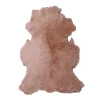
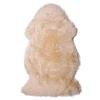
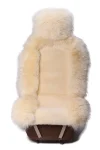
Material grades, OEM capabilities, quality inspection criteria, and the questions you should ask every supplier before placing an order.
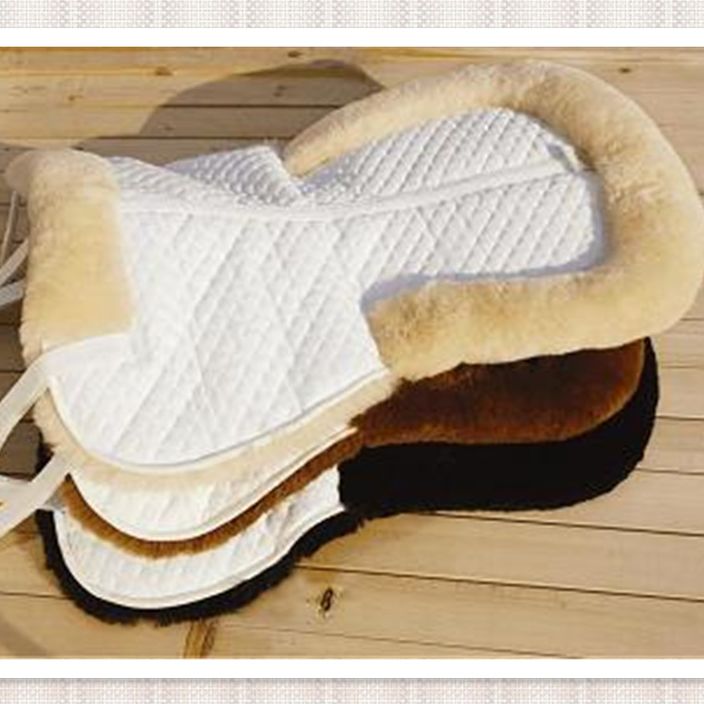
Sheepskin saddle pads have been a staple of equestrian care for centuries — and today they are one of the fastest-growing product categories for importers serving European, North American, and Australian markets. Yet sourcing them well is rarely straightforward. Material quality varies dramatically, certifications differ by destination market, and minimum order policies range from accommodating to prohibitive.
This guide cuts through the noise. Whether you are placing your first wholesale order or looking to switch suppliers, you will find everything you need to make a confident procurement decision.
What Is a Sheepskin Saddle Pad — and Why Does It Matter?
A sheepskin saddle pad sits between the saddle and the horse’s back, distributing pressure, wicking moisture, and reducing friction during riding. Unlike foam or synthetic pads, genuine sheepskin provides a naturally thermoregulating, pressure-absorbing surface that conforms to the horse’s movement in real time.
View our sheepskin saddle pads here.
Natural vs. Synthetic: The Distinction Buyers Must Understand
| Feature | Genuine Sheepskin | Synthetic Sheepskin |
|---|---|---|
| Temperature regulation | Natural — wool fibers actively wick and breathe | Passive — traps heat in warmer conditions |
| Pressure distribution | Excellent — fibers compress and rebound | Moderate — degrades faster under load |
| Moisture management | Absorbs up to 30% of its weight without feeling wet | Surface-wicks only |
| Durability | 3–7 years with proper care | 1–3 years under regular use |
Material Grades
Not all sheepskin is equal. Understanding the three primary grades prevents costly sourcing mistakes and helps you match the right product to your target market.
Merino Wool Sheepskin
The highest-grade option available. Merino fibers are finer, denser, and softer than standard wool, providing superior pressure distribution and a more luxurious hand-feel. Merino pads carry a significant retail premium and are the standard specification for professional dressage and show jumping equipment. If your buyers include European equestrian retailers or premium online stores, Merino-grade is the benchmark to quote against.
Medical-Grade Sheepskin
A certified material category — not a marketing term. Medical-grade sheepskin meets specific standards for fiber density, moisture absorption, and bacterial resistance. It is frequently specified for rehabilitation horses, senior horses prone to pressure sores, and veterinary-recommended equipment. Sourcing medical-grade material requires a supplier with documented certification; ask for test reports, not just verbal assurances.
Standard Tanned Sheepskin
The most widely available grade, suitable for general riding disciplines and recreational use. Quality varies significantly between manufacturers, so specification of minimum fiber length, density, and tanning method is essential when placing large orders.
Key Product Specifications to Confirm Before Ordering
- Wool pile height: minimum 25mm for general use, 30–40mm for medical or premium positioning
- Wool density: measured in fibers per square centimeter
- Tanning process: vegetable-tanned (more natural, higher cost) vs. chrome-tanned (more common)
- Girth strap type, attachment points, and hardware grade: brass vs. nickel
- Dye type: confirm colorfast and non-toxic for animal contact
- Available sizes: full, half, shaped (Western, AP, dressage)
A note from the field: The single biggest quality issue in rejected wholesale orders is fiber density.
OEM and Customization Capabilities
Shape and Size Customization
Our can produce standard shapes (all-purpose, close contact, dressage, Western) as well as custom patterns developed from your own technical drawings. Confirm the minimum order quantity required to justify a new cutting die — Our MOQ is 100 pieces
Color and Material Options
Natural white and off-white sheepskin is the commercial default. Dyed options (black, brown, burgundy, and custom colors) are available.
Branding and Labeling
Confirm whether the supplier can incorporate woven labels, embossed leather tags, or printed swing tags bearing your brand identity. Also check their packaging capability — retail-ready packaging with your artwork reduces your logistics costs significantly.
Certification Support
If you are importing into the EU, UK, or Australia, you may need documentation supporting animal welfare compliance, REACH chemical substance regulations, or country-of-origin labeling. A reliable supplier will provide these proactively; one who pushes back is a red flag.
How to Inspect Sheepskin Saddle Pad Quality
Before committing to a production order, always request samples and evaluate them against these criteria.
Visual and Tactile Inspection
Run your palm against the wool pile: it should spring back immediately with no matting or bald patches. Examine the leather backing for uniform thickness, clean edges, and consistent stitching tension. Any puckering around the girth loops suggests inconsistent machining.
Fiber Tug Test
Grasp a small tuft of wool between your fingers and pull firmly. In quality sheepskin, individual fibers should stretch slightly before releasing — not pull free from the hide. Fibers that detach easily indicate poor leather preparation or substandard tanning.
Wet Compression Test
Dampen a section with water and apply hand pressure. Quality sheepskin will compress and rebound fully as moisture is absorbed. Synthetic or low-grade material will feel dense and slow to recover. This is the most reliable field test for actual material performance.
Stitching and Hardware Check
Count stitches per centimeter on key stress seams (minimum 8 stitches/cm for girth areas). Check that all hardware — buckles, D-rings, and clips — is secured by double-stitched bar tacks, not single-pass seaming.
FAQ from Wholesale Buyers
What is the typical minimum order quantity (MOQ) for sheepskin saddle pads?
100
How long does production and delivery take?
Sample lead time: 7-10 business days
Bulk lead time: 20-30 days after payment
Can you supply documentation for EU REACH and animal welfare compliance?
Yes. We provide full documentation including material test reports, chemical substance declarations, and country-of-origin certificates for all standard export orders.
Do you offer private-label or OEM production?
Yes, private-label production is available for orders meeting the relevant MOQ thresholds. We can incorporate your woven labels, embossed leather branding, custom hang tags, and retail-ready packaging. A signed NDA is available before any technical specification exchange.
How should end users clean and care for sheepskin saddle pads?
Genuine sheepskin should be brushed after use to remove debris and allowed to air-dry away from direct heat. Hand washing in cool water with a wool-safe detergent is recommended;
Ready to Discuss Your Next Order?
Our export team typically responds to wholesale inquiries within 24 hours. Send us your specifications and target volume for a detailed quotation.
📩 Contact us: 86 13315919918